Minimal art is not about an object itself, but everything surrounding it, including the viewer, his bodily presence and movement. But when it is made for a gallery or museum, a scope of sensation is rather narrow. In most cases, such a place is a typical so-called white cube- white walls. There remains a cold/cool beauty like in Robert Morris’s work.
Robert Morris (1931-2018) was an American sculptor, conceptual artist and writer. He was regarded as one of the most prominent theorists of minimalism along with Donald Judd but he also made some contributions to the development of performance art, land art, process art movement and installation art.
During the 60s and 70s, Morris played a central role in defining the principle artistic movements of the period: Minimalist sculpture, Process art and Earthworks. In fact, He created his earliest Minimalist objects as props for his dance performances. Morris exhibited entire rooms of these nondescript architectural elements at the Green Gallery, New York in 1964 and 65. In the latter half of the 60s, he explored more elaborate industrial processes for his Minimalist sculpture, using materials such as aluminium and steel mesh.
In the late 1960s and 70s, the rigid plywood and steel of Morris’s Minimalist works gave way to the soft materials of his experiments with Process Art. Primary among these materials was felt, which he piled, stacked and hung from the wall in a series of works. A variety of these felt works were shown in 1968 at the Leo Castelli Gallery, New York. Subsequent projects he made during the late 60s and 70s include indoor installations of such unorthodox materials as dirt and thread waste, which resisted deliberate shaping into predetermined waste.
Numerous museums have hosted solo exhibitions of his work, including White Museum pf American Art in New York (1970), the Art Institute of Chicago (1980), the Chicago Museum of Contemporary Art (1986) and Washington, D.C.’s Corocan Gallery of Art (1990). The artist died in Kingston, New York in 2018.
Here are some of his works:
Untitled, 1965Green Gallery, New York, 1964Ring with light, 1965Brown felt
Minimalism is taking over our lives, from art and photography to tiny houses and simple living. Minimal Instagram feeds are flooding our scrolling sessions and in the world of photos of travelers and groups decked out in latest fashion, it has never been more accurate. Turns out- Less is more is actually true. A minimal style relies on the photographer’s ability to tell a story using only the key elements like composition, color, texture, patterns and light.
Sometimes you bump into someone’s feed and feel instant envy because of how beautiful their Instagram feed is! You’d love to try using a similar theme but you might not have any idea how to re-create the look. So, here are a few tips on hot to take minimalist photos and make your feed look amazing.
ADD NEGATIVE SPACE – Negative space in photography means the space around and between the subject you are taking. Adding negative space adds a sense of minimalism and serenity as opposed to chaos. It can make the subject stand out much more without occupying the whole image. You can compose negative space during the picture taking or alternatively snap your subject from a distance and do the cropping later. However, do keep in mind that smartphone camera picture when cropped tend to be of much lower quality.
Picture credits : photographylife.com
LIMIT COLORS – Color make up the mood of your photos. They are fun and great. But too many colors give a sense of harshness to the overall look and feel of the image. Limiting the colors will make your image look cleaner and much more in order. A good to do is limit the colors to about 5. For example, the skin tone color, black, white, the color of your clothes and the color of your background. Try to find the right balance. Many Instagram pages try to achieve this by using software’s like Adobe Photoshop to manually replace the unwanted colors in their images.
Picture credits : lightstalking.com
GO MONOCHROME – If you can’t get the hang of color, go monochrome! Monochrome just means black and white. It is a very well know style and very popular with street photography. You can’t really go more minimal with having only 2 colors. You can easily achieve this by using a black and white filter built in with Instagram. But you can also use another app called VSCO. It has better black and white filters.
Picture credits : amazon.com
PLAIN BACKGROUND – A subject in front of an empty or plain background photos are not going anywhere among instagrammers anytime soon. They are exceptionally great for portrait pictures as it helps the subject stand out. This is a very quick and simple to do. Just find an empty wall, any color would do. Just make sure the lighting is right, then snap away.
Picture credits : Pinterest
LESS IS MORE – It is very tempting to take a picture that includes everything. However, less elements in a picture adds to the minimalist and less cluttered look of the image. Instead of taking a picture of a crowd, take a picture of an individual.
Dan Flavin was an American artist and pioneer of Minimalism, best known for his seminal installations of light fixtures. His illuminated sculptures offer a rigorous formal and conceptual investigation of space and light, wherein the artist arranged commercial fluorescent bulbs into differing geometric compositions. “I like art as thought better than art as work,” he once said.
Born on April 1, 1933 in Jamaica, NY, Flavin showed an interest in art during his early adulthood, and went on to study at the Hans Hofmann School of Fine Arts before attending Columbia University. Working exclusively with fluorescent lights by 1961, he embraced the temporary nature of his art which often shattered or blew out and was happy to replace parts of his works as needed. His dedication to simple forms, use of industrial materials, and symbolic meaning allied his practice to the work of both Donald Judd and Sol LeWitt. Flavin was the subject of a major retrospective at the Guggenheim Museum in New York in 1992. The artist died in Riverhead, NY on November 29, 1996. Today, his works are held in the collections of the Art Institute of Chicago, the Dia: Beacon in New York, the Menil Collection in Houston, and the National Gallery of Art in Washington, D.C., among others.
There are few wardrobe essentials that we lean on more than the white top. It’s the real deal, a true wear-anywhere closet staple that looks just as good with your work trousers as it does with your weekend denim.
Whether yours is made from crisp cotton or soft silk, the tailored shape of a button-down makes any outfit feel instantly elegant. You can pair it with trousers and a blazer and head into work. You can tuck it into jeans, slip on sneakers, and go about tackling your weekend to-do list. Tie it up, cuff the sleeves, no matter your preferred styling or the time of year, you really can’t go wrong with a white top.
So, here are a few ideas how you can pair up a white top in many ways;
Minimalism: A documentary about Important Things follows Ryan Milburn and Joshua Fields Nicodemus on a year-long book tour, travelling in their car to many towns and cities across U.S. Their first gatherings are small, basically intimate conversations with the dew folks who shoe up. But as the tour picks up, they attract larger and larger audiences and at the end of the tour receive an invitation to appear on NBC’s “Today” show.
The documentary is part road movie, as they hit highway and visit city after city and also getting to know both of them. It’s revealing and fun, quite fast-paced and lively as they get more confident in doing their presentation in front of large audiences, meeting some charming characters along the way, promoting their book, ‘Everything That Remains.’ They are also known as ‘The Minimalists’, by the way of their popular blog. They went from over-stressed and caught-up in excessive consumerism to now preachers of simple life, and that’s their story. There is a huge impact on their life and they are happy now.
The documentary tries to reinforce the notion that consumer culture is having an extremely detrimental effect on our society.
Some quotes from the documentary:
People are “living pay check to pay check, living for stuff, but not really living.” – Ryan Nicodemus.
In some way humans are weird for dissatisfaction, it is this instinct that drives us to constantly improve, however its also an addiction, and also all the consumerism is feeding into it.
It comes down to asking yourself two questions about the things you own or are considering buying: “Is this useful? Does it bring me joy?” If the answer is yes to either of those questions, then perhaps you should keep it. If the answer is no, think seriously about whether it deserves to take up space in your home.
Minimalism documentary is a must watch, not only for anyone who wants to live a simple life, but for everyone. There is only one problem we have created in our society. The answers is simple: Live with less. It will help both personally and as a society.
Lydia Elise Millen is a lifestyle influencer, youtuber from Buckinghamshire, UK. She vlogs and blogs about high fashion, beauty and travel and her day-to-day life. She started her blog as a creative outlet several years ago but now she blogs full-time and can often be spotted posting pictures wearing the prettiest styles, attending fashion events, travelling and dining out.
Her style is very classy yet minimal.
Picture credits : Pinterest
Not many houses have their own Instagram account but Lydia has crossed over 200,000 followers in just over a year. She uploads its decorative journey since she and her partner, fellow influencer Ali Gorden got married. She is inspired by muted tones and contrasting textures for her home.
Street style is something that has become a major thing in our country. From your street style at a fashion show to your street style while just simply going to college, it says a lot about your fashion choices and preferences.
We went around the streets and some events in Delhi and spotted some really cool looks that are definitely worth sharing!
Picture clicked by Ritu Jain
Bringing back a floral dress? Yaaaas
Picture clicked by Ritu Jain
Denim on denim is a perfect way to style a minimalist look, and what better way to add a bit of color by DIY method?
Picture clicked by Ritu Jain
Layering neutral colours is one of the best creative ways that a minimalist can style their outfits.
Picture clicked by Ritu Jain
A total fan of this semi traditional, semi modern chic look!
Picture clicked by Ritu Jain
Add a top layer to your otherwise monochromatic outfit to make it look more trendy!
Picture clicked by Ritu Jain
I can’t stress this enough- LAYERING neutrals can never go wrong!
Picture clicked by Ritu Jain
This absolutely clean look got a major chunk of our attention.
Picture clicked by Ritu Jain
Oh man wearing a double tone sari over a black leather blouse? Genius.
Picture clicked by Ritu Jain
This might seem all graphic when you look at it but the clean straight outfit cut is totally minimalistic!
Picture clicked by Parvathi Nair
Tone your bright colored shirt by wearing a neutral color jacket on top for that hint of minimalism.
Because let’s be honest, that’s the only time you get to leave your house nowadays, am I right or am I right?
But before we move on, and you do too to get that bread, don’t forget your mask. It has become a symbol of our times for a reason, so let’s make it a part of our style statement too, instead of keeping it on the side and avoiding to wear it.
Here are some tips and styles for you to refer to in order to keep it fun while still being minimal with your dressing, and also to make that white mask look completely cool with your look:
Fashion Illustration by Ritu Jain
With summers creeping in, it’s time to take out your spaghetti top and pair it up with your wide legged jeans for an on the go look! Finish of your look with strappy sandles and a hand bag to make it look effortless yet stylish.
Fashion Illustration by Ritu Jain
Let’s bring the old denim shirt back in fashion and make it into a crop shirt! DIY guys, I’m sure you have plenty of time to do that!
Fashion Illustration by Ritu Jain
Pair up your favorite colored blouse with your black pleated skirt for effortless look! Don’t forget to pull up some colored socks with the look to give it an extra pop of color.
Fashion Illustration by Ritu Jain
A Black dress is never a bad idea! Put on a red shrug on top of it to do easy layering and transforming your whole look with such less effort.
Fashion Illustration by Ritu Jain
Oxfords and a long white shrug with your black jumpsuit is the way to go! Such a cool way to transform your look into something so chic. And don’t forget the hat and the mask, they’re essential accessories.
Fashion Illustration by Ritu Jain
Go be extra while still being minimal! Go shop for your daily essentials while wearing a simple dress with a broad strappy belt on, no one’s stopping you.
Fashion Illustration by Ritu Jain
Aah, since Polka dots are in this season it’s time you get your polka dot mini skirts out again. Pair it up with a yellow shirt to brighten up your look at the supermarket!
Adopting a minimalist lifestyle doesn’t seem like a tall task. After all, you are simply going to clean up and remove all the unnecessary possessions that are “holding you down”. While not entirely wrong, if this is the mindset you have when approaching minimalism than you’re not thinking about it hard enough. Adopting a minimalist lifestyle means going beyond the logistics and even beyond the concept. You have to start at its core, your soul and you have to ask yourself, “Why should I adopt a minimalist lifestyle?”
The main purpose of minimalism is to focus more on what matters in your life by taking out what doesn’t matter. In short, adopting the minimalist lifestyle means de-cluttering both figuratively and literally. Being a minimalist, in theory, is the practice of liberating yourself from your consumerist habits.
But if you’re thinking minimalism will suddenly eliminate all the problems overconsumption has given your life, you are wrong.
Minimalism is a tool, not a goal and should be for your own development. While feeling like you are helping the planet by reducing your carbon footprint isn’t wrong, you should be doing it for you. Entering into this lifestyle will challenge your relationships, values and beliefs.
Nothing defines “self-awakening” more than realizing the way you’ve lived your life has been a product of consumerism. We may not recognize it, but our materials form a big part of our identity. Our lifestyle is heavily dependent on technology and when we change our attitude towards these possessions, something in us changes as well.
The alternative is to practice minimalism in small amounts and to continue living your life, but adapt minimalist practices. Cutting out unnecessary expenses, but still acquiring necessary goods. This balanced approach is a happy medium between maintaining your current lifestyle and preparing yourself to one day adapt a minimalist lifestyle.
Let us all admit that this self-isolation/social distancing thing is HARD. Trust me, IT IS. But you know what doesn’t help? Sitting around watching the news or scrolling through social media all day long. There’s just so much uncertainty and negativity right now. Honestly, seeing too much of it can really get me down.
So, let’s use all this new free time we have to do all the things we’ve been putting off. Self-isolation doesn’t have to be sad and lonely. It’s our chance to focus on self-care and rejuvenation! We’re all stressed out and burnt out to some degree, so let’s reset and get that glow up.
As health officials have advised us to stay safe from coronavirus (or COVID-19) by self-isolating for at least two weeks, you’re likely to be on the hunt for useful hacks to keep yourself busy. Since you’ll have more downtime than usual, your body will be adjusting to a new routine and it can be easy to let our everyday habits slip. For example, during self-isolation you may choose to not wear makeup – but that doesn’t mean your whole beauty regime needs to be forgotten! Whether you’re keeping safe by working from home or simply being precautious by staying indoors, here is a beauty guide for you all.
GET MOVING!
“I don’t have time” is the most common excuse for not working out. For all you busy bees…NOW IS THE TIME! Start your day with a workout. It doesn’t have to be long, just enough to get your blood flowing and to feel good. By the time this is all over, you’ll have a solid routine in place. Trust me, starting your day with some movement will help you feel less stressed while you self-isolate.
HYDRATE WHILE YOU SELF-ISOLATE
So many people struggle to drink enough water. It might be worse when you’re stuck at home. If you want to help your skin, digestion and your mood, WATER is the answer. Get yourself a big water bottle and set goals for how much you want to drink each day. You’ll feel amazing.
LEARN SOME COOKING SKILLS
Learning to cook takes time, and since you have a little to work with, you’ll never regret perfecting some skills in the kitchen. Work on simple things like roasting veggies and using those small appliances that have been sitting on the top shelf of your pantry for months. Even simple stuff can help you get out of an eating rut and discover new, delicious recipes. Maybe you’ll even get into the habit of cooking more and eating out less. It’s a win-win.
TREAT YOURSELF WITH A FACE MASK
Who has time to do face masks on a regular basis when life is “normal” and on the go? Normally, using 20 minutes to relax with a mask is just not happening. There’s always something else that feels more important. And then when I’m done working, I’m just ready to crash. Now that our plates are a little less full, let’s sit back, close our eyes and breathe while we do our skin some good.
START A SKIN CARE ROUTINE
I mentioned the face mask, but don’t stop there. Get a good routine going for washing your face in the morning and at night, and actually start using all those creams and serums. You’ll thank yourself later for taking care of your skin now, and you’ll feel super confident and refreshed when you go back to work with that glow on your gorgeous skin.
GIVE YOURSELF MORE TIME FOR SPRING CLEANING
Do clutter and unfinished “projects” around the house just stress you out? Now is the best time to do some organizing and all the deep cleaning we constantly put off. Nothing feels more satisfying than a fresh, clean house.
USE SELF-ISOLATION TO FEEL YOUR BEST
Your stuck at home, staying distant from most of your friends, family and co-workers. This is your chance to take care of yourself. This quarantine, self-isolation, social distancing, we could all use some time to slow down and for most of us it has to be forced to actually happen. So instead of fighting against it and looking at these upcoming weeks as inconvenient or negative, USE THEM.
Be productive. Pamper yourself. Get some of that weight off of your shoulders that has been there for years. I’m talking all of the extra stuff that you normally just can’t get to. Even if you just commit to one small thing, you’ll feel accomplished and less stressed. You’ll come out of this self-isolation feeling more beautiful, more confident, and in a better relationship with yourself.
Nail art designs are always in fashion for women, some of the prettiest looks involve a minimalist approach. These nails are done with just a touch of paint or designs and give off a more natural feel to them. Often times, we can achieve the same gorgeous effect by polishing our nails in this fashion. With the minimalist look being extremely trendy right now, it is a good time to try one out. Most of these nail art inspirations can be done at home and are quite simple to maintain.
When we think nail art phrases like “cue the drama”, “not for the faint of heart” and “go big or go home” immediately jump top of mind. However, the realization: Despite common thought, there are plenty of nail art designs catered to even the most minimalist of mani lovers.
Here are some designs:
SIMPLE DOT NAIL ART
Picture credits : fiveno.com
Using a base coat in a neutral color, adding just a few dots to the base of each nail turns boring nails into very pretty ones. Play with the size of your dots to find the minimalist look you love.
SIMPLE METALLIC LINE
Picture credits: pinterest,com
Just one line is the only design this look uses. The chrome color can be changed to any metallic of your choosing. Find your favorite and place it near the cuticle. Paint over the rest of the nail with a clear coat to add extra shine.
ARTIFICIAL NAIL IDEAS
Picture credits: pinterest.com
There is nothing stopping you from using a minimalist design on long nails. Whether your nails or false or naturally long, a simple design can go a long way. The heartbeat print on these navy colored nails is a cute style.
COLORED TIPS
Picture credits: pinterest.com
This is a great nail design for short nails. Just a small line done diagonally across the tips make for an easy to do design. use tape to block off the portion of the nail you want to leave natural. While this black tip is pretty, you can choose the color of your choice. Top your nails off with a clear coat. And you can find more short nail art ideas here.
Here is a video which will give you more designs. Check this out!
Its 2020 and therefore it is high time we bust the myths associated with shaving body hair.
The Myth: If you shave, your hair will grow back thicker and faster.
This is not true at all. It all depends on your genes, and if you moisturize after shaving, your hair will grow back soft, plus it is a painless method and requires much less time as compared to waxing.
The Myth: The more razor blades, the more cut you’ll get on your skin.
Double-bladed razor isn’t ideal for being gentle on your skin. More blades actually mean less likelihood of nicks and cuts because the blades are spaced more closely together.
The Myth: Razor blades should be changed weekly.
How fast a razor blade gets dull depends on several things: the quality of the blade, the way it made, how often you shave, whether you’ve prepared the first with shaving gel or foam, and how you care for blade after each shave.
The Myth: Shaving makes your skin dry and flaky
Picture credits : evoneamassage.com
If you’re being rough with your skin when you’re shaving, for instance by going over the same area with your razor repeatedly, then you might find yourself with dry, flaky skin, and what feels like a scratchy, uncomfortable beard. The good news, however, is that this isn’t anything to do with shaving per se, but is instead the result of a poor shaving technique.
Many bloggers and influencers like Prajakta Koli and Santoshi Shetty shave their body hair, and are very open about it. It’s time to try shaving ladies, and I am sure you’ll never back.
Also, this is the best time to try shaving, now that you are locked in your houses due to quarantine!
Do you hate meal planning? Is dinnertime always stressful in your house? Do you waste a lot of money on food that never gets eaten? If so, then there is a solution that will make HUGE difference in your life: SIMPLE EATING.
Simple eating is inspired by minimal lifestyle and as someone who really dislikes cooking, it will be a lifesaver.
So, what does my minimalist diet look like? After minimizing belongings, relationships and schedule, lets take a look at diet. For each person it’s going to be different depending on their preferences, goals and requirements.
A minimalist diet is a simplified approach to cooking meals where you balance nutritional needs, ease of preparing, and optimizing your ingredients to have as few as possible while still being able to cooking a variety of meals that you love.
Here are some tips;
Appetizers table with antipasti snacks.
LEARN STAPLE MEALS
Learning how to cook a few simple meals is not only a beneficial life skill, it can drastically reduce your grocery budget. One major shift in my journey was when I was able to leave my job because I no longer had so many expenses, what that meant was I could cook all my meals from scratch each meal.
2. A MINIMALIST DIET MEAL PLAN
By eating the same foods over and over, you’re saving money by not needing new spices, exotic ingredients, or a vast array of groceries. You should always have staples on hand to create any of the following: smoothies, breakfast muesli, vegan sandwiches, sweet potato and chickpea curry, burritos, and my famous nourish bowls.
You start to out look at your favorite dishes and write out the ingredients that it takes to make them. After you have a list of your favorite dishes, see what ingredients overlap. By choosing the dishes that share common ingredients we can optimize your go to recipes so that you can make the most amount of dishes with the fewest amount of ingredients.
Keto diet plan
3. KETO DIET FOR MINIMALIST WEIGHT LOSS
Some of you may wonder, how is keto diet a minimalist diet? Well, at its core, its inherently a “restrictive diet” meaning it limits what you can eat by a good bit. Because the ketogenic diet functions of ketones, its actually a more efficient way to provide nutrients to your body. In ketosis, your energy stems from beta hydroxybutyrate (BHB) and fats yield 9kcal per gram of fat and approximately 4 kcal per gram for carbohydrates. When you get your body optimized for fats, you’re staking the deck in your favour.
4. TRY THEMED NIGHTS
Keeping your diet simple and minimal, but still exciting, is what called themed nights. Some few themed night includes tacos and docos(documentaries) night, or meatless Mondays. This is a really fun way to introduce simplified diets. The best part about having a themed night meal plan is that it limits the scope of your shopping so you know its breakfast for dinner on Thursday and you don’t wander around the store looking for ideas, and can jump right to the things you need.
Intermittent fasting concept
5. INTERMITTENT FASTING
Intermittent fasting, also known as intermittent energy restriction, is a term for various meal timing schedules that cycle between voluntary fasting and non-fasting over a given period. Three methods of intermittent fasting are alternate-day fasting, periodic fasting, and daily time-restricted feeding.
6. VITAMINS AND SUPPLEMENTS
In general supplements and vitamins are largely ineffective but our bodies don’t absorb them very well. There are many mitigating factors that help your body absorb them.
For example, you need vitamin K2 to be available to facilitate the absorption of vitamin D, which then in turns let your body absorb calcium. Add to this that your body can only take so much in at a time, you sometimes need to space the dose out.
John Mccracken was an American minimalist artist. He was best known for his planks, plinth-like reflective sculptures painted in various hues. These narrow, monochromatic, rectangular board format planks lean at an angle against the wall while simultaneously entering into the three-dimensional realm and physical space of the viewer.
His planks referenced the minimalist works of Carl Andre, Dan Flavin, and Donald Judd. They also reflected his interest in Barnett Newman’s colour fields.
The artist believed that his works were minimal and reduced, but also maximal. He tried to make them concise, clear statements in three-dimensional form, and also to take them to a breath-taking level of beauty.
“The direct, colourful nature of pastels is ideal for capturing the qualities of immediacy, spontaneity and sparkle.” – Patricia Greenwell
Pastel tones paired with minimalist compositions offer a visually simple and calming curation. With pastels you don’t need gimmicks and are only limited by your imagination.
Some people believe that the idea of “minimalism” is to cut something down to its basest elements until only functionality remains. It requires a hefty measure of craftsmanship and a good grasp of sound design in order to do it right. Perhaps nowhere is that more apparent than in the horological world. Watches seem like a simple concept: wearable devices that tell you the time. But they’re actually quite complex and even some of the finest craftsmen have a hard time making ones that are both aesthetically pleasing and uncomplicated. Furthermore, a watch doesn’t have to be completely free of alternative functions in order to be considered minimalist. In fact, the best minimalist watches includes ones that do nothing more than tell the time, chronographs, moon phase timekeepers, and more.
Watch buying can be a task, of course. Unlike clothes, we usually have to spend a bit more to secure a high-quality piece that’ll last and that’s where the conundrum lies.
Keeping your timepiece simple and stripped-back allows for maximum versatility and thankfully, there’s a wealth of brands on the current market from affordable to luxury that specialise in no-frills, stylish timepieces that will quickly become your daily go-to.
Here are a few;
Skagen
Skagen
Although most famous for watches, Skagen operates an umbrella company dedicated to a menagerie of discreet products and they’re from Denmark, where practical minimalism reigns supreme. Now based in the US under the Fossil Group, the brand’s founding ideals are still ever present in every design produced. The ‘Ancher’ line is indicative of Skagen’s subtle approach and offers very little in way of detail. The appeal lies in a style so clean that it’s almost clinical, index markers, no numerals and a single brand detail to the dial.
Shore Projects
Shore Projects
Inspired by the grey but glorious locale of the British seaside, Shore Projects is a home-grown success story. A partnership with the Marine Conservation Society gives a little back to the same environment the brand idolizes, while the timepieces are kept simple and classic. The brand’s new Project 2 collection incorporates new Milanese mesh strap designs that perfectly complement the original leather styles the company launched with back in 2014. Minimalism is ensured through a clear dial and subtle branding, while index markers give a pop of contrast to the magpie metals, making for a good daytime or evening watch.
Daneil Wellington
Daniel Wellington
Named after the quintessential British gent, Filip Tysander launched Daniel Wellington in a bid to popularise a unique idea: pairing weathered NATO straps with hyper-modern timepieces. Over time, the brand has quickly become a go-to for style-conscious gents, particularly those that like to dress in a smart, preppy fashion. Featuring a classic round face, discreet branding and contrast indices, we particularly love the on-trend rose gold finish for a subtle hint of luxury.
Larsson & Jennings
Larsson & Jennings
Inspired by the brand’s home cities of Stockholm and London, Larsson & Jennings produces contemporary timepieces that fuse a classic British aesthetic with Swedish minimalistic design. The new kid on the horological block has quickly garnered a cult following and despite the company’s relative infancy, they’ve successfully modernised the entry-level watch market. The Kulor family is arguably the most basic line from the brand, but also undoubtedly the most minimalist. Usual criticisms of ‘sparsity’ are countered with coloured fabric straps and hints of gold, rose gold and steel throughout.
Uniform Wares
Uniform Wares
While strong branding is often considered an advantage, Uniform Wares built their stellar reputation by avoiding such a mantra. In 2009, founders Patrick Bek and Oliver Fowles set out with an ambitious objective: to create an alternative to the ubiquity of over-embellished statement watches. The result was a new breed of modern, minimal timepieces that has arguably inspired many of the other names on this list. The brand’s M40 model is clinical in its approach yet big on impact. Monochrome dials are countered with neutral straps and while eye-catching features are nowhere to be seen, a statement is made through total design cohesion.
Already have pre-planned outings to go to as soon as this lock-down ends? Wondering how to prepare yourself everyday to get out in the sun? Don’t worry we’ve got you covered in a minimalist way!
When we talk about minimalism, the whole point is how less is essentially more. With so many new launches and products being thrown your way, it’s nice to have a no-fuss and easy to do beauty routine for the days that you just don’t want to be extra.
Whether it’s a quick touch-up, or an impromptu lunch with your bae to evening cocktails with friends – we’ve curated a perfect list of such products for you that will help you there with a no-fuss quick makeup routine!
The Body Shop Fresh Nude Cushion Foundation
In a country like India, where the weather isn’t so forgiving to full coverage foundation, The Body Shop Fresh Nude Cushion Foundation is a saviour! It’s not only just light on the skin but will give you an even tone overall with a sheer finish. So just dot this baby in the areas that you need a little more coverage and you won’t be disappointed.
Cost of The Body Shop Fresh Nude Cushion Foundation: Rs 2,695
Inglot Cosmetics Oil Blotting papers
One thing that our skin definitely isn’t friends with is humidity. Don’t let it get the better of you. Keep a pack of these oil absorbing tissues handy in your bag and just blot out all the excessive oil without a fuss.
For everyone having an oily or a combination skin, this is something that you should definitely look out for! This no sebum colourless powder does a great job of fighting sweat without clogging pores or discolouring your skin.
Cost of Innisfree No Sebum Mineral Powder: Rs 570
Stila Crush Lip & Cheek Stain
Okay honestly, this product is peak minimalism. A two in one product that doesn’t make it look extra? Girls, it’s time to hit that no make makeup look perfectly with this product! Use as a wash on colour on your lips, and dab onto cheeks and get going.
Cost of Stila Crush Lip & Cheek Stain: Rs 1,266
Maybelline New York Lash Sensational Mascara
You can ditch all of your eye make-up and just swipe on some mascara for a low maintenance beauty look. It can make you look a lot more awake, and perhaps even bright eyed and bushy tailed.
Cost of Maybelline New York Lash Sensational Mascara: Rs 500
Nykaa 24H Vinyl Luxe Eyeliner
Eyeliners are solid game changers when it comes to your eye makeup. The Nykaa 24H Vinyl Luxe Eyeliner is definitely one of those must have product for every women who’s absolutely obsessed with eyelinern as a part of their daily makeup rotuine.
Known as one of the most significant practitioners of what is now known as minimalism, Donald Judd dramatically changed the course of sculpture with his heavily reduced forms of designs. Not only this, but Judd also helped dethrone abstract expressionism from the American art scene.
The history of modernist painting had already witnessed, in the early 20th century, the rise of highly simplified geometric styles, but no one had yet created such reduced forms in sculpture as Judd. He became to be best known for his so-called “stack” works. These consisted of uniform, repeated units that rejected hierarchical composition, activated negative space, and seemed to combine painting, sculpture, and architecture.
Some people easily dismiss Judd’s work as uninteresting and following the same pattern, but those who closely look at it realise the slight nuances to their “material, space, and colour,” which Judd considered “the main aspects of visual art”.
Sometimes a single statement piece can do it all. Loud and flashy jewellery can be fun but sometimes all you need is something that whispers yet makes an impact. When it comes to minimal jewellery, it does exactly that. They’re all about clean lines, geometric forms, being non-fussy and is simple.
Whether you are a tee and jeans donning casual person or a pant- suit executive or even a saree-loving corporate employee, minimal jewellery can easily help you make a statement effortlessly. One of the best part about it is how even if you wear all the statement pieces together, they wouldn’t scream or look too much!
This delicate necklace with a metal ball at the end is honestly like a dream for every minimalist jewellery lover! You can pair this up with low-cut dresses, blouses, and even blazers for a delicate accompaniment to your decolletage.
This necklace from H&M has been doubled up to work as a bracelet and girls I’d say that you all try it out! Mix and match your statement pieces, play around and create such subtle looks effortlessly without worrying about the number of pieces that you own!
This is a perfect example of how you can combine different pieces of minimal jewellery and put them together in an elegant way! Subtle and classy all the way.
Another example of putting together statement pieces together in such a stylish way. Can’t decide what to wear? Well, with minimal jewellery you don’t have to worry about that and just put them all together and go on with your day looking like a complete diva!
India is a country where it’s all about go big or go home. A country that’s known for it’s grand affairs, where less is always less and more can always be more and still never enough.
It’s a country where minimalism is a hard sell, but lately minimalism is a trend that’s creeping in the culture of India and millennials are being more receptive towards it. People are finally understanding the ease and the advantages of a minimalist lifestyle. This understanding of a minimal lifestyle does not only impact one’s own life but also impacts the resources of the country. You don’t necessarily have to become a minimalist in terms of the number of things you own but you can just simply adopt a minimal approach with the usage of resources.
With such a huge population and limited resources, India can definitely use a trend like minimalism to be practiced amongst the people. It’s the need of the hour for people to realize when it’s enough and stop splurging because a minimalist approach to resource utilization in this country can add a lot of value to the other population of the country who are dependent on the top tier 10% population.
This resource utilization can be in terms of the food you consume, the clothes you buy, the amount of energy you utilize and so on.
It’s not just about the people and their lifestyles, but all the big corporations and literally everyone and everything consuming more than what is required. Inflation is directly related to the demand for the commodity. The moment we reduce the wastage, overall demand will be impacted and somewhere in the chain of economy, someone will be benefitted, someone who’s depending his life on these resources.
Every time you leave that tap of water running, or wash that car for more than 10 minutes with the water continuously running, you’re wasting a hell lot of water, enough to provide water to person for days in a remote village of India.
Remember your dad always reminding you to switch of the lights and the fan? Listen to him. There are villages in India that get about 5 hrs of electricity per day. Yes exactly, 5 hours! That’s less than the hours you spend binge watching on your smart TV. So next time remember that while the lights and the fan and that AC in your empty room are all on, there’s a person in some village who’s literally studying under a kerosene lamp.
No one’s asking you to stop using these resources. It’s just about how much you really require to use. It’s about considering how much is really needed and how much we’re wasting. Be more aware of yourself and your needs. This will not impact your lifestyle but will make a huge impact on someone else’s life too, even if it’s indirectly.
Okay tell me if I’m wrong, but we’ve always wanted to go on an all-natural skin care routine at some point of our lives. With the daily hectic routines so many of us have had to settle for the sheet mask or the peel-off masks or whatever new mask that has hit the market, it was like a dream to have a regular natural skin care routine, but not anymore!
This time of social distancing and self- isolation is a perfect time for all of you to up your self-care game! It’s time to hit your kitchens and whip up your kind of face masks and get going with that beauty regime.
From acne to hyperpigmentation to a glowing skin, here are some of the DIY masks for you to try out with literally everything that you already might be having in your kitchen cabinets. These masks are about as natural as skincare gets.
ACNE MASK
Baking soda is a natural exfoliant that is especially effective for those with sensitive skin. It can also help keep your skin’s pH levels balanced, which is an important factor in the fight against acne.
Ingredients:
Coconut oil
Baking soda
Direction:
Mix 1 tablespoon of coconut oil and 1 teaspoon of baking soda in a bowl.
Stir until the ingredients form a smooth paste.
If necessary, add more baking soda one pinch at a time until the paste becomes thick and smooth.
Wash your face and neck with warm water and an oil-free cleanser to remove makeup and open pores.
Apply the coconut oil and baking soda mixture and let it sit for 15 minutes.
Gently massage your skin with small, circular motions for 2 minutes.
Rinse your face with warm water to remove the mask, then rinse a second time with cool water to close your pores.
Pat your skin dry with a soft towel.
TONE AND TEXTURE MASKS
Vitamin A in the tomato helps even out tone, while brown sugar physically exfoliates for baby-smooth skin.
Ingredients:
2 tbsp. tomato puree
3 tbsp. organic brown sugar
Splash of lemon and lime juice
Directions:
1. Mix ingredients together until well combined.
2. Apply to skin, and leave on for five minutes.
3. Gently massage skin in a circular motion to exfoliate.
4. Rinse well with tepid water.
HYPER-PIGMENTATION MASK
Turmeric is one of the best ingredients that can help with inflammation and even out your skin tone.
Ingredients:
1/2 tsp. turmeric powder
1 to 2 tbsp. raw honey
Directions:
Mix all ingredients in a bowl to create a paste.
Gently massage the paste over your face.
Let it sit for 10 minutes, then wash off with warm water.
SKIN BRIGHTENING MASK
Ginger helps give skin an even tone, while cinnamon clarifies and turmeric brings out a natural glow.
Ingredients:
3/4 cup organic Greek yogurt
Dash of ground ginger
Dash of ground turmeric
Dash of ground cinnamon
Directions:
1. Mix ingredients together until well combined.
2. Apply to skin, and leave on for 15 minutes.
3. Rinse well with tepid water.
EXFOLIATION MASK
The caffeine in the coffee naturally tightens the skin while also gently exfoliating. Aloe on the other hand helps calms inflammation.
Ingredients:
1 Tbsp of finely ground espresso beans
1 Tbsp of honey
1 1/2 tsp of aloe gel
2 1/4 tsp of fresh lemon juice (optional)
Directions:
Blend the coffee grounds and honey together until a paste forms.
Add the aloe gel and lemon juice until everything is well combined (if you have sensitive or redness-prone skin, skip the lemon juice).
Minimalist photography is quickly growing in popularity with many photographers. In the world of product photography, simplicity is a common element. It is very eye-catching. Somewhat ironically, however, simplicity is often one of the most difficult things to achieve.
Product : Bag
Product : Glass and bottle
The goal of minimalist art, or photography, is to convey a concept or an idea that provoke an emotional response, or provide a unique visual experience. Some elements must be kept to a minimum, and the ones that are left should be essential for conveying the overall idea, or symbolism, of the photo. As with any photographic style, minimalist photography has its own set of challenges, mostly due to the fact that it is based on simplicity, and it can be a challenge to eliminate all but the most necessary elements and focus only on a limited number of objects and elements. Minimalism forces you to view the world differently, and will challenge you to look beyond the obvious for hidden photographic opportunities.
Product : Perfume bottle
Product : Accessory
Product photography is a great way to experiment with lighting and editing techniques. It’s a chance to shoot in a relaxed environment where one can have complete control over the subject, lighting, and camera. One can set up something small in the living room and find solutions. It also requires a lot of creativity. Homemade items or DIY solutions are abundant on sets. From light-shaping tools to methods of creating parts of a composite, a lot can be created simply and at a low cost.
In theory, minimalism is the art of decorating with less and it should be easy to pull off: neutral furnishings, a few pieces of art hung on the wall, a single vase on the table, and voilà, you’re done! Of course, the effortless look is not so straightforward to execute. A great degree of thought is involved in creating a liveable minimalist space. Whether you live in a condo or a house, home decor is important, so making the best of your space by focusing on simplicity and practicality is something that you will benefit from in many ways. Want to follow the principles of a minimalist design? Well, the fundamental idea behind this ever-growing movement is using simple and natural forms and enhancing the of the essential pieces of furniture you own, so your home will instantly look clutter-free, be better organised and, of course, easier to clean!
It’s easy to become a hoarder and we’re all a little guilty about it, but think of how better you will feel inside-out if your house is neat and harmonious. The less cluttered your house is, the more airy, cleaner and brighter atmosphere it will have!
It’s sort of a rule of thumb that the more things you have, the harder it will be to clean them and around them. Instead of having to deal with the task of dusting, vacuuming and cleaning up a large amount of knick-knacks and pieces of furniture, consider making your job easier by decluttering those shelves filled to the brim and that wardrobe stuffed with clothes you no longer wear; considering a massive spring cleaning once and for good!
Minimalist houses go by “less is more”, which means you can simply choose a few furniture pieces, some special artworks and decorations that blend perfectly with your space. This way, your carefully selected possessions will complement your home beautifully, creating a calm and elegant ambiance.
People have a way of leaving their own “I was here” signs when they travel to places. Some people tie a lock at a bridge, some tie a thread on a jaali work window, some dig up a hole and leave one of their favourite things only to find it later and well some, leave nothing but trash.
Travelling contributes to one of the largest sources of waste and greenhouse gas emissions there is. But no travelling contributes to a lack of exposure to all the wonderful things we have on this planet. The hypermobility of this new age is both a curse and a boon, but the single most glaring paradox we’ve been struggling with is our desire to visit places without a heavy burden of accompanying guilt.
Now this article won’t tell you that you can go all zero waste while travelling because let’s be honest that’s impossible, but what this article will tell you is how you can minimize your waste and be a more responsible traveller.
So here are some of the things that you can do to travel with less of a carbon footprint:
Carry your own personal products that are package-free and come in reusable glass containers instead of using stuff you find at hotels that are always packaged in plastic.
Carry your own mug, water bottle, spoon, straw, fork, handkerchiefs, and reusable totes or shopping bags.
Shop local while travelling, for example: a farmer’s market or the local craft market.
Get a PDF of your ticket on your cell phone as opposed to printing it out.
Go for reusable luggage tags, or make your own upcycled version at home ahead of time.
Instead of buying travel books, prefer going to a library. You can also look the books up on kindle or web internet.
Buy a bamboo tooth brush from the local market or you can also look for it on internet, avoid the ones provided by the hotel.
Carry some light snacks like dry fruits, nuts etc. so as to avoid buying packaged snacks while travelling.
So next time while you’re traveling, just keep these few things in mind and join the responsible traveller club while leaving a cleaner place behind you.
Okay before reading this article, just try and remember the number of beauty products in your bathroom or your dressing room?
I’m pretty sure for some, even a package containing a single or more beauty products must be on the way. I don’t blame you. With social media flashing all sorts of beauty products right in your face time and again, its hard not to want to try them out.
Many of us have a fair amount of beauty products stuffed in our bathroom or dressing room cabinets. I was no different. But while having a conversation with my grandmother I realised how many of those beauty products can be substituted by products we can make at home using natural ingredients! Yes, you guessed it right, DIY beauty products. This doesn’t only minimise your expenditure on all of these artificial beauty products but also give you the benefits of natural ingredients without any manipulation.
Here are some of the DIY beauty products you can make at home using our old dear friend, coconut oil:
A hydrating coconut and coffee body polish
Coconut Oil is excellent for skin as the medium-chain fatty acids keep your skin from losing moisture. It is extremely nourishing and an amazing remedy for healing dry, irritated skin. Coffee grounds help exfoliate as well as tighten skin and stimulate blood flow of the lymphatic system due to the caffeine within the grounds. Not only this but coffee is also known to help reduce cellulite and of course help firm and smooth the skin.
You will need 1 cup ground coffee 1 cup cane sugar 1/2 cup Coconut Oil
Directions Combine Coconut Oil, coffee and cane sugar together and store in an airtight container. Use 1-2 times a week (or every day if you like).
An exfoliating coconut and lemon lip polish
Coconut Oil contains fatty acid emollients, antioxidants, and vitamin E which are all excellent for chapped lips. When you combine our oil with cane sugar and lemon essential oil it creates the perfect exfoliating lip polish to remove chapped, dry skin and hydrate your pout.
You will need 2 tbsp cane sugar (fine or brown sugar) 1 tbsp Coconut Oil 1-2 drops of lemon essential oil
Directions Combine Coconut Oil and sugar in a bowl. Next add the lemon essential oil – mix well. Apply a small amount on your lips and gently massage for few minutes to exfoliate dry chapped lips, remove with a warm wash cloth.
A nourishing coconut and avocado hair mask
Coconut Oil and avocados are best known for their nourishing property, so we love combining the two for added shine and smoothness.
You will need 1 tbsp Coconut Oil ¼ cup milk 1 ripe avocado
Directions Grind the avocado chunks and make a smooth puree without any lumps. Next add the milk and coconut oil to this puree and mix well. Apply this mixture to your dry hair well and leave for at least 20 minutes. Wash your hair with warm water and make sure to remove the avocado residue.
Frank Philip Stella is an American painter, sculptor and printmaker, noted for his use of geometric patterns and shapes in creating both paintings and sculptures in the areas of minimalism and post-painterly abstraction.
Frank Stella’s Black Painting Series completed between 1958 and 1960, started a new wave of minimalism with each lithograph featuring a pattern of rectilinear stripes of uniform width printed in metallic black ink on buff-tinted paper.
“What you see is what you see” became the Mantra of the Minimalist Art movement when these Black paintings of Frank Stella paved way for Minimalism in 1960. It was Stella’s Black Paintings at the Museum of Modern Art in New York, that began to turn away from the gestural art of the previous generation.
With so many details and décor options, it is so obvious why minimalism has become such a major wedding style trend, and honestly, there is beauty in simplicity. Rather than eliminating details, a clean look merely makes them intentional. In a ceremony, a minimal look points the attention right where it should be.
A minimal wedding often manifests in many ways. There’s organic minimalism, which features a lot of white with accents of lush green. Then there is industrial minimalism, where urban meets rust. There is modern minimalism, that loves to play with shapes and geometry and romantic minimalism, with ethereal lines or elegant calligraphy. One practice that makes planning a wedding easier is choosing a theme. Having a clear theme makes it easier to choose a color scheme, venue, décor and more. Minimal look is one popular home décor and lifestyle trend that has recently broken into the wedding industry.
Finding a venue is one of the first tasks in planning a wedding. For a minimalistic look, you would want space that doesn’t have many things like, paintings, ornate curtains, or patterned rugs which will be distracted from the theme. A minimalist theme can work anywhere as it mostly is dependent on the décor. However, it works best when the venue is beautiful enough without needing any enhancements.
A minimalist look doesn’t mean one puts in less effort. Its emphasis ‘Less is more.’
Incorporate a lot of greenery and stick to one colour. You can have variety of flowers, roses, peonies etc, as long they are of the same colour. The key to any wedding theme is to have vendors you trust. Professionals who understand and execute your vision will ensure the image in your head becomes a reality.
The no makeup, make up look has taken the beauty world by storm and it’s hugely popular from fashion runways to editorials. Is this barefaced makeup trend that hot? Well, it’s doable and it makes you look like a better, healthier version of yourself. Scrolling through your social media feeds these days probably makes one thing clear: This no makeup, make up trend is alive and it’s the must-follow look of the season. In fact, it is the ultimate solution for naturally-looking dewy skin, bright eyes, and flushed cheeks. But there are a few steps to achieve this minimal look that requires a bit hard work and products like foundation, concealer etc. Let’s look at the same.
STEP 1: MOISTURIZE, MOISTURIZE, MOISTURIZE
It all depends on how you prep your skin. So, cleanse your face and then moisturize. Even if one has oily skin, it is good to moisturize after cleaning.
STEP 2: PRIME YOUR COMPLEXION
To create a flawless smooth skin, apply some primer. When choosing a primer, consider which look are you going for. For a no makeup, make up look one can go for L’Oreal Paris Magic Lumi Primer. It boosts the skin very well.
STEP 3: APPLY FOUNDATION
The real starting point of no makeup, make up look is by using a good foundation. Choosing foundation depending upon your skin tone is very important. All you have to do is apply a small amount of foundation to the blender and dab it so that it blends onto skin very well.
STEP 4: DAB ON CONCEALER
Next, use a concealer on areas you want some extra coverage, like you under eyes, around your nose or any other blemishes you have. Just like you did with your foundation, apply the concealer also with a makeup blender.
STEP 5: CREATE A NATURAL LOOKING CONTOUR
You can also contour for a more angular bone structure. The key is to make it look drastic. So, just go two or three shades darker than your normal skin tone with your regular contour routine.
Add some colour to your cheeks. Put some highlighter. At last, apply lipstick and set you make up with a setting spray. You are good to go.
“All of man’s difficulties are caused by his inability to sit, quietly, in a room by himself.” —Blaise Pascal
What is minimalism and why live a minimal lifestyle? The answer is simple: first, minimalism is to live with only the bare necessities possible; and second, to live a happy, contend life.
Many people go through life with no clear sense of their values. Instead, their lives are moulded by voices that are bombarded them each day from internet, TV, radio, magazines etc. Their desires are ever-changing and are quickly swept away by the nearest fashion, most recent technology, or opportunity for financial gain. Their lives are no longer centred on their personal passions and values. In contrast, firm conviction leads to an intentional life. It is built on the things you hold truest in your heart.
Meditation provides the opportunity to find that conviction. It slows our mind, calms our spirit, and centres our soul. It draws us out of the finiteness of the visible and dares to connect our souls with the invisible. It provides opportunity to identify our desires, articulate our values and align our pursuits accordingly.
Another benefit of meditation is that it leads to gratitude. Gratitude leads to contentment. And a contended heart is free to pursue anything it desires.
Unfortunately, we live in a culture that preaches discontent. A society built on the foundation of consumerism must attack gratitude, only if they can sow discontent in our lives, they can sell us on their new product with improvements. But those who find gratitude in their current existence will be less influenced by those empty promises.
A grateful heart admits that there are bigger forces at play in our lives than our own accomplishments and that we are who we are today because of the sacrifice and investments of others. Gratitude grounds us and forces our lives on others.
It is not happiness that makes us grateful, but gratefulness that makes us happy. And that gratefulness quickly leads to satisfies, simplified, focused life. More meditation. More gratitude. Better living.
Minimalist tattoos often feature sparse color palettes, small designs, crisp lines and angular shapes. They’re perfect for people new to tattooing, fans of delicate design. Beautiful tattoos come in all shapes and sizes. They don’t have to be bright or loud. If you’re interested in a more discreet or subtle aesthetic, a minimal tattoo might do the trick. If you want to get inked, choosing the right permanent artwork for your body can be a little daunting. If you’re put off by garish tattoo designs, something simple and elegant might be the right choice for you.
The ethos of minimalism is that “less is more.” Clean, crisp, and timeless, tattoos in this style often feature graphic lines, geometric shapes, and subtle dot work. Many minimalist tattoo artists are opting for single needles rather than multi-needle machines. This allows them to render ultra-delicate designs that often look like monochromic pencil sketches on the skin. However, minimalism doesn’t always have to look dainty. Other artists use clean, single lines to create graphic, abstract shapes that make a bold statement.
If you do opt for a minimalist tattoo, be aware that the smaller and more intricate the detailing is, the more chance it will get blurred over time. One way to keep your tattoo looking fresh is to ensure that you follow the proper healing procedures, such as keeping it moisturized while it heals, and keeping it out of the sun.
When we visit a café, we not only eat food but also nourish our Instagram feeds. It so just happens that Delhi NCP has plenty of cafes where that is possible. Instagram is all about maintaining your aesthetic game, and what better way to do that than uploading pictures of the beautiful places you eat in. Here are some of the best Insta-worthy cafes;
CAFE DORI
Associated with Nappa Dori, located in Chhattarpur, South Delhi. There’s nothing like a rugged yet elegant look that enhances our Instagram. The wooden-leather look has us clicking away.
THE VINTAGE AVENUE
North Campus is home to a gazillion cafes, but only a few are seriously worth mentioning. Vintage Avenue is one of them. There are a number of floors, and you can take your pick on which one you want to visit. Each floor has a different decor, but each of them revolves around a ‘vintage’ theme, much like what its name promises. And of course, the bill will go easy on your pocket.
THE GRAMMAR ROOM
When light hits the cool palette of this café in Mehrauli, our Instagram gets happy. In the midst of some blue, white and green, we find ourselves relishing great dishes.
CAFE TESU
Located in Sri Aurobindo Marg, with walls with some coloured bottles, sofas that complement the walls and coffee that matches all the searched photos for coffee on Pinterest. Instagram and you are happy.
There is just something relaxing about taking time off just to read a book. You end up amassing more knowledge and at the same time unwind after a particularly stressful day. Here are some books that can help the readers to live more with less.
ESSENTIAL
Authors | Joshua Fields Millburn & Ryan Nicodemus
They are known to their readers are ‘The Minimalists.’ They write about living a meaningful life with less stuff. They mix humor and satire with insightful and practical steps for living a minimal lifestyle and they speak to the truth that minimalism can assist us in finding freedom from the trappings of the consumer culture we’ve built out lives around.
SIMPLE MATTERS
Author | Erin Boyle
The author lives with her husband and two children in NYC, where she keeps a blog about, slow, simple, sustainable living. She uses simple matter to inspire people to cherish what is truly meaningful, useful, and lovely. Her beautiful photography and writing style partner well with stories of how to improve the environment and personal happiness.
THE JOY OF LESS
Author | Francine Jay
We think ‘The joy of less’ is a hand-down keeper. Perfect for anyone eager to declutter, the author coaches the readers through the process of building lifelong minimalist habits. Her story of owning nothing more than she needs has been featured on countless major media outlets.
I AM HERE NOW
Author | The Mindfulness Project
This book is a delightfully creative exploration of mindfulness. The mindfulness project, headed up is about training our attention to be focused on the present-tense. Through a variety of thought exercises, guided meditations, the book and web-bases program help readers minimize stress.
There is something utterly magical about walking into a stationery story lined by row after row of beautiful notebooks, writing accessories, colorful sticky notes, hard bound diaries, and innovative planners that cover every topic imaginable.
With the digital age setting in, it’s hard to find people who really appreciate stationery. But one thing that this digital has brought us is the amazing homegrown stationery brands for every stationery lover out there. While we’re surrounded by brands like chumbak, happily unmarried and odd giraffe with their bright and printed stationery, let me tell you five other online & offline Indian stationery brands that provide unique stationery for every minimalist person out there who’s still obsessed with how they dress their desk and what’s on top of it.
ORIGIN ONE
If you are someone who prefers products that are rooted to the basics, Origin One’s collection will probably appeal to your sensibilities. Their stationery is a collection of everyday stationery and elevated basics made for the design loving global nomads. Focusing on a clean and simple aesthetic, their products like notebooks, pencils, planners etc. have a contemporary vibe with just a touch of vintage appeal.
NAPPA DORI
When it comes to Nappa Dori their stationery is hand-crafted out of luxe leather and is no less than a collectible. Their products that range from a pencil to a hardcover notebook are all just so elegantly constructed it’s hard to make a pick. For designs that ooze vintage charm, check out their classic notebooks, beautiful pencils, handcrafted leather organisers and memo cases!
RUBBERBAND
This lifestyle label is all about crafting products that are fun and creative while keeping a minimal vibe. From products like notebooks and notepads to writing instruments, their collection is devoid od unnecessary frills and are a perfect addition to any work desk. Rubberband collaborates with international artists and designers like Anthony Burrill, Jean Jullien and Nathalie Du Pasquier and craft interesting products for our desks.
LETTERNOTE
This brand creates products with the aim to “inspire, elate, excite and encourage” their customers. Their minimalist designs are what makes them one-of-a-kind.” Most of their office supplies, be it organisers, note cards or calendars, generally happen to feature just a witty one-liner or a small, uncomplicated design set against a plain background. So every person who likes to keep it short and clear, go check this brand out!
PAPERCLIP STORE
Who said you can’t keep it minimal while being all about bright colours? Plain, solid-coloured covers are exactly the style statement of this store. They take special care to use only eco-friendly processes and materials to produce their items, making sure that minimal harm is done to the environment. A paper company that tries to save the environment? That might be a first and a must!
Nasreen Mohamedi was an Indian artist best known for her line-based drawings, and is today considered one of the most essential modern artists from India.
Her works are best known for the amazing play with grids, lines and elegant geometry, as though they might float, poised to fly. Critics have drawn comparisons with her love of photography—where, again, she concentrated on sparseness and shapes —as also in her seeking recourse in nature as well as architecture for inspiration.
Beverly Pepper was a sculptor known for her monumental minimalistic works, site specific and land art. Italy-based sculptor was known for bending metal to her will and rewriting the rules of modern art. Her airy creations that enlivened the public spaces they occupied are displayed in some of the most important art museums in the world.
Ms. Pepper told the Times that she wished for her creations to provide “that sense of another dimension which you can walk into but there’s nothing there except what you’re walking into.”
Medea, 2014–18Ascensione, 2008Drusilla Senior, 2014Curvae in CurvaeCor-TenExpanding perceptions
Agnes Bernice Martin was a Canadian-born American abstract painter. Her work has been defined as an “essay in discretion on inwardness and silence”. Her fine-lined grids, bands, and square blocks of pale, lightly applied color fused the emotional resonance of Abstract Expressionism with the spare purity of Minimalism.
Her paintings were not about what was seen, they were about what was known forever in the mind.
It’s amazing, the beauty we find in the shadows formed through help of light. Our eye might be caught by light, but the shadows have always more to say and provide us with so much perspective.
Light and shadow are the opposite sides of the same coin, the relation of two tones, a rhythm. All the variety and all the beauty of life can be made up of the contrast of light and shadow. Art that nature creates through light and shadows, hold a very special significance and can rarely be repeated.
Limited colours, No patterns, smaller closet. Sounds like a perfect recipe for yawn when you stand in front of this type of closet choosing your ootd. But honestly, is it really boring?
Many people equate minimalism with boring. They think ‘minimalism’ is a fancy word for boring. The thought is that it’s too easy to get into a rut, wearing the same things over and over again. I actually find the opposite to be true as I am constantly inspired to create new combinations simply by shopping or a quick scroll through my Instagram or Pinterest feed.
Minimalism has a Monet effect, in that things might look simple at first glance but if seen closely then you’ll realise how every thing put together has a purpose and how there is a whole lot of things going on amongst the minimal look put together. From clever cuts, subtle colors to lovely construction, minimal fashion doesn’t give it all away immediately, which makes minimal fashion people some of the most low-key awesome people with the most chic style!
When it comes to minimalist fashion, the trick is in the styling. With the right styling and the knowledge of putting the outfit and the accessories together, you can create a look that’ll look everything but boring!
Picture credits: Pinterest
If you’re concerned that minimalism would just get monotonous, try your hands on layering and get creative.
Picture credits: Pinterest
It’s pretty hard to go wrong with black and white and to make the look a little more fun, just add a pop of colour by wearing a footwear of contasting colour.
Picture credits: Pinterest
More structural pieces certainly have a home in the minimalist wardrobe of your dreams. Because structure and versatility are far from mutually exclusive.
Picture credits: Pinterest
Play around with different neutral colors to create an outfit that looks oh so chic.
Picture credits: Pinterest
You can never call white on white boring, but on the other hand call it daring? Hell yess!
Kim Kardashian and Kanye West open the door to their minimalist and futuristic home.
An oasis of purity and light, Kim Kardashian and Kanye West’s suburban California estate is literally every minimal person’s dream!
It was usual for us to get a sneak peak of Kim K’s £46 million Los Angeles mega mansion she shares with Kanye West through her social media but recently she opened the doors of her house for Architectural Digest and the pictures broke the internet!
For being such a colourful family on social media and otherwise, Kim and Kanye’s house truly defined their true minimal personalities.
Speaking to the magazine, Kim admitted she and Kanye didn’t always see eye to eye when it came to decorating the home they purchased back in 2014.
“Kanye would come up with the most far-out ideas, and I’d say, ‘This is not normal. We need drawers!’ I was the voice of functionality,” she said.
Though the pair did agree on their “preference for a neutral palette” (clearly).
“I love the simplicity of the design. Everything in the outside world is so chaotic. I like to come into a place and immediately feel the calmness.”
And surely with the lives that they lead, I can’t even imagine how amazing it would be to come back to their house that looks like a haven of peace with such aesthetics.
For some it might look like a Marie Kondo cleaning binge gone out of control, but Kardashian minimalism is ultimately a matter of taste.
The emptiness in their estate is intentional, more aspirational even than owning expensive objects. The mansion interiors were a collaboration between West and the spartan architect and designer Axel Vervoordt.
Picture Credit: Architectural digest
Vervoordt confesses to AD that it was an unlikely meeting of the minds. “I’m not from the pop world, the rapper’s world. But I discovered Kim and Kanye as wonderful human beings. We have common values in life, important human values, like a respect for the beauty and spirituality of art,” the designer says. “You can call it religion, but this is perhaps beyond religion, a search for cosmic values of peace and positive energy. We had very profound conversations about the space of the mind and the importance of silence.”
The furnishings, kept to a bare minimum, consist mainly of Vervoordt’s characteristically subtle designs accompanied by sympathetic creations by the likes of Royère and Pierre Jeanneret.
One room that grabs our attention is that of North’s. The six-year old’s room, also designed by Vervoordt, is covered by pink from floor to the ceiling. From the headboard to the ultra-inviting bedding to the vanity, this pretty in pink room looks like it was taken straight out of a fairy-tale. Kim surely knew how to make her daughter feel like a princess while maintaining their minimal theme all over.
Picture Credit: Architectural digest
Whether you’re a fan of the Kardashian-West home, or maybe just North’s room, you can’t deny that its design is striking. And at the end of the day, Kim Kardashian and Kanye West designed it with love. “This house may be a case study, but our vision for it was built around our family,” Kanye says.
Opening a window to his minimalistic world, Aman Khanna’s design studio Claymen is filled with objects that have their own story behind them. More a ‘visual storyteller’ than a sculptor, Aman Khanna’s series of figurines made from sun-dried clay truly belongs in living spaces of every person who has a ‘less is more’ mantra.
“Claymen objects simply are what they are: A celebration of a style that is at peace with its own little imperfections. Handmade and functional, the objects are built to be used. Some incarnate the dysfunctionality intrinsic to society by hinting at the fragility of the human condition in a more general sense. And I wanted the studio to reflect exactly that.” Aman Khanna tells Elle Décor.
Picture Credit: IYouAll
Claymen, who’s base is in the Dhan Mill Compound, New Delhi, offers a range of sculptures that are easy to the eye and add aesthetic to your living space by literally just being their minimal self. The functional/dysfunctional objects are not just aesthetic and pleasing to the eyes but have a meaning behind them. Every object in its own way is a representation of Khanna’s feeling and observations in life. The objects are simply a celebration of a style that lives at peace with its own little imperfections. His ‘hand-to-mouth’ bowls are both functional, as well as representative of India’s large wealth gap. Combining aesthetic and design, the Dysfunctional objects, as Aman tells Homegrown, “Have no immediate use, but are not without a function.” The fragile material of ceramic aims to evoke a sense of empathy, and points to the fragility of the human condition in a larger sense.
As he describes them on various platforms, the Claymen figures come in peace and maintain silence. “Although going through their own existential crises at times they are mere spectators or observers to the notion that ‘man is losing his humanity and becoming a thing among the things he produces.'”
It was at the age of just 20 years that the British- Bangladeshi Saeedah Haque, a London based designer started her own fashion brand that remodelled the traditional Abaya worn by Muslim women into Streetwear. The first ever streetwear abaya brand, this brand doesn’t only support the growing demand for alternative modest fashion but also provides comfortable yet fashionable clothing to a globalised generation of young Muslim women that simultaneously live between Eastern and Western ideas.
Taking inspiration from the London Streetwear scene and her uniform that was a simple Abaya paired with some bold trainers/sneakers, Saeedah built on her designs and created her purposeful minimalistic designs that can be styled with trainers instead of high heels.
As Streetwear keeps expanding its dimensions and is continuously being more diverse and inclusive, I recently spoke to Saeedah who took it further and told us all about the hints of Japanese contemporary styles in her designs and the kind of impact she’s looking to make forward through her brand amongst many other things.
LINEA: Could you tell us a little about yourself? What inspired you to start your own brand?
SAEEDAH: I was always into both Western fashion and the Indian clothing industry. As a Muslim girl practicing Hijab, I felt conflicted and couldn’t really identify with either one. Western clothing wasn’t modest enough for my needs, but Indian clothing at the time was too traditional and the silhouettes were not as refined as they are now. I couldn’t find anything street style, so I decided to follow a minimalist approach and just be comfortable. My uniform ended up being a simple Abaya paired with some bold trainers/sneakers, and that’s when I found my aesthetic and decided to build on it.
LINEA: How do you reflect your Bangladeshi heritage and culture into your work?
SAEEDAH: The textile industry in Bangladesh is it’s biggest asset but unfortunately the communities that depend on it for their livelihood are exploited. If I’m choosing to be a part of this industry, I feel a responsibility to make sure I’m not also a part of the exploitation. It ties in to the larger conversation about consumption and climate change, so I’m trying to do my part in creating sustainable clothing with respect to the communities that are most affected.
LINEA: We see that your work has hints of contemporary Japanese styles. Can you tell us a little about this Japanese style design?
SAEEDAH: I look up to designers with purposeful design like Yohji Yamamoto and more recently Sacai, both of which are Japanese. The Hijab is a sacred concept and experimenting with the silhouettes allows me to produce new ideas without conflicting with the ethos of the garment, similar to the ways the Japanese Kimono is reimagined.
LINEA: What does Minimalist style in fashion mean to you? How do you incorporate that in your work?
SAEEDAH: It’s easy to add embellishment to upgrade a piece of clothing. I work with different fits and flares in simple fabrics and while it’s more creatively challenging, it allows me to produce something original and timeless.
Minimalism is a lifestyle. Creating an Abaya that is designed with the consumer in mind means the consumer doesn’t have to keep buying, it’s an investment piece that has been designed purposefully. The pockets, high collars and zips have been considered with the customer in mind so they don’t need to purchase additional garments/accessories to fill these needs.
The modest fashion industry is an emerging one so there was never a focus on sustainability or ethical practices, but it’s ironic because the Muslim faith is so centred on minimalism and detachment. I think as designers and consumers we need to be more conscious of representing our values as much as we do our aesthetic.
LINEA: What kind of an impact are you looking forward to make through your brand?
SAEEDAH: Streetwear is more than big brand looks, it’s a concept that combines techwear, sportswear and an urban lifestyle. Being born and raised in London, it’s always felt like my natural uniform. A couple of years ago I purchased a blocktech jacket from Uniqlo and the deep pockets, high collar and durability meant that I don’t need to carry around a bag or keep replacing it every year. It’s such a small change but so practical. I want people to feel like this when they wear my Abayas, that they can pull from my pieces and pair them with their lifelong Nikes.
Minimalism has become pretty popular over the years as a design philosophy and way of life. Minimalist architecture is about achieving better design through simplicity. A simplicity of form, space, detail and color, minimalist design also shows restraint and a careful paring down and editing of spaces to get to a place of clarity. Who doesn’t like clean, open spaces that allow the architecture, the furniture and the materials in the room to breathe? Its simple, honest detailing and simple materials that make minimalism so appealing and why we enjoy creating minimalist spaces because we appreciate calmness, warmth and the beauty that these kinds of spaces exude.
Here are some characteristics of modern minimalist house design:
Simplicity in form and function.
Uncomplicated cladding and wall finishes.
Clean, open, light-filled spaces.
Simple detailing devoid of decoration.
Strategic use of materials for visual interest, texture and personality.
SIMPLICITY IN FORM AND FUNCTION
Many minimalist houses have a simple, straightforward, efficient plan layout with stacked volumes of spaces. This creates clarity in plan, where spaces are predictable and uncomplicated. Simple forms, open floors plans, minimal interior walls and an emphasis on views and daylight are defining characteristics of many minimal floor plans.
UNCOMPLICATED CLADDING AND WALL FINISHES
Using a simple continuous exterior cladding material can easily provide visual appeal and articulation by expressing the physical characteristics of the materials and their texture.
CLEAN, OPEN, LIGHT-FILLED SPACES
SIMPLE DETAILING DEVOID OF DECORATION
STRATEGIC USE OF MATERIALS FOR VISUAL INTEREST, TEXTURE AND PERSONALITY
We live in a world that is led by consumerism. We all want to have the latest updated wardrobes, stock up on the latest technology and consume literally everything that’s in trend.
Of course, there’s nothing inherently wrong with buying and owning things. Objects have been useful to human, are useful and will continue to be even as we progress into the digital age. Possessions have practical uses, aesthetic purpose and personal significance. It is when we cycle through our possessions at an unsustainable rate that they become a problem.
When people think of sustainability, they usually think of it in terms of going green, making sacrificing in their consumption etc. In today’s throw-away consumer society, it’s not always simple or easy to reduce our ecological footprint. Most of us do our best to make greener lifestyle choices in our day-to-day lives though despite our best intentions, our efforts often become a mere piecemeal in the hustle and bustle of our high-paced, modern and on trend lifestyles.
But what if I tell you that you can help in the sustainable movement by just being a minimalist and not necessarily making sacrifices or lowering your living standards and even saving you money instead of spending?
Well, that’s right. Living sustainably simply requires a shift in your belief system and a re-prioritization of your values. And an efficient way to do this is by going minimalist – let me explain how and why.
A minimalist lifestyle asks you to consume less. This lifestyle doesn’t necessarily involve shunning worldly possessions altogether. Instead, it means only buying the things that you really need and have a lasting ability to provide real value. All you got to do is approach all aspects of your lives with this perspective, choosing carefully to curate a life that makes you as happy as possible. Instead of living in a sea of clothes, clutter and consumer goods, imagine living in an oasis of function, meaning and joy. Imagine the clarity of mind, the sense of freedom and the feeling of purpose that going minimalist could provide in your life!
A sustainable lifestyle on the other hand relies on you consuming less. The less you consume, the less strain it will put on the environment. By cutting down on consumerism, you’re not just helping your wallet or your closet; you’re helping the planet.
So, let’s be a part of the sustainable movement and help the planet as well as our pockets and opt for a minimal lifestyle!
Marking its first foray into fine jewelry, Comme de Garcons , regarded as the world’s most avant-garde fashion house, has created its own distinctive take on the most classical of jewelry items, the pearl necklace.
Comme des Garcons, founded by Kawakubo in 1969, is known for its incomparably inventive and nonconformist clothing.
Reflective of the brand’s unisex collections, the jewellery line has been designed “regardless of age or gender,” according to Kawakubo as he told Luxury London. “Recently. I’ve noticed how men also look good when they wear pearls. This was the starting point of the collaboration.”
The fashion house has unveiled its first fine jewellery collection, created in partnership with Japanese jeweller Mikimoto.
It might not seem like the most obvious combination, but if there’s one type of jewellery that needs an avant-garde reinvention, it’s the classic pearl necklace. The two Japanese brands have partnered for two years, kicking their dazzling relationship off with a collection of seven pearl necklaces. The classic line of gems has been subtly injected with a youthful spirit thanks to metal link chain.
The Comme des Garcons fine jewellery collaboration was unveiled at the brand’s Paris headquarters on Place Vendome and will be launched in stores in mid- February for sale at the Dover Street Market in London.
To everyone who followed the Paris Haute Couture week this year knows how this piece of minimal jewellery was literally the most instagrammed visual instead of any fanciful, frothy gown.
So, I guess we can say how Comme des Garcons made pearls cool again!
Are you reading this article on your bed? Or were you dreaming to be in your bed instead of wherever you are at the moment?
Whatever it is, we can all agree on one fact that we all absolutely love our beds! The one place that never ever disappoints and the one place that becomes our escape at the end of the day. As important our bed is to us, so is the bedding we put on it!
My parents have always been minimalists when it comes to bedding, but it was always a struggle for them to find minimal and comfortable bedding at affordable prices. In India, we usually find bedding that’s printed and patchy and sometimes not less than a nightmare for the minimalists in life. So sometime back when me and my parents came across this brand ‘Linen On Me’ it was like a dream come true. Who knew linen bedding had the same effect similar to that of an ASMR video!
Linen On Me provides bedding to everyone who has always wanted the bedding in their hotels to be there in their homes without making a hole in their pockets. Linen on me is a brand that every Minimal should look out for when it comes to their bedding!
In a recent conversation with Shaurya Sharma, the co-founder of LINEN ON ME, she told us all about the inspiration behind the brand and why she went with a minimalist vibe.
LINEA: So, tell us a little about yourself and the inspiration behind your brand?
SHAURYA: Hi, So a toughie. I am a very neat and organised person who finds happiness in checking her to do list at the end of every day. I love staying at amazing hotels as I get the best sleep there which is the inspiration for starting Linen On Me.
I am not an old textile industry expert, we are people just like you looking for something super simple: a place to buy beautiful and ridiculously comfortable sheets that didn’t cost an arm and a leg. Before starting the company, being design enthusiasts and a super consumer of home goods who couldn’t find a single brand that was high quality, affordable or easy to shop I realized there was a hole in the market – and saw a true business opportunity. I launched LINEN ON ME in 2018 as an online-only, direct-to-consumer brand focused on creating impeccable bedding. I wanted to design the products we’d use ourselves but just could not find here in India, ones that reflected our history and yet were global in their appeal. Our approach is simple: Quality is the most important thing. The products just need to be awesome. Second, we wanted to manufacture responsibly with top quality materials. And finally, try our best to offer products at accessible prices.
LINEA: What does minimalism mean to you? What made you go for the minimal aesthetic for your brand?
SHAURYA: Minimalism for me means making things simpler and leaving space for mind to breathe. Exactly how when we design a composition, there has to be some breathing/ negative space for a tranquil and calm feel. I feel that our homes are a place to relax, to calm ourselves after a hectic day at work, and a minimal approach guarantees that.
LINEA: What makes your brand different from other lifestyle brands offering bedding etc.?
SHAURYA: We at ” Linen On Me” keep our focus on providing the basics, with a small design element (I feel its appreciated more this way). Indian home furnishing market is dominated with bright prints and patterned bed sheet. We at Linen on Me do basics that were hard to find in the market and provide styling services to go along with it.
LINEA: We see that you have a very interesting style for your packaging? Can you tell us a little about that?
SHAURYA: Thank you. Our packaging is made from the off-cuts from our bedding products. We wanted a packaging that was plastic free, re-usable and sustainable. This way our packaging doesn’t cost much, looks great and attracts the customer.
LINEA: With sustainability being the talk amongst the crowd, do you think your brand is somewhat supporting the cause?
SHAURYA: Each LOM product is made using only natural fabrics (organic cotton and linen). We try and educate our customers about how they can use every part of the packaging and their bed linen in various ways. From being used to organise stuff, we have received videos from our customers using our bedding bags as plastic protectors. Not only this, we try and tell them on how to make their bed linens last longer as this is usually ignored by brands
LINEA: Amongst so many other fabrics, why linen?
SHAURYA: So if think this will also answer your previous question, people everywhere are obsessed with this amazing fabric. Sadly, people do not know the benefits of this fabric.
It’s sustainable: Uses less water and fewer pesticides to grow
It’s biodegradable: After its long life, it will gently decompose without leaving any waste
It’s very strong: This fabric lasts ages because of it’s strength. It just gets softer with every wash.
Its adaptive: breathable in summer but warm and cosy in winters
Great for skin as its anti-static and repels dirt
Oh, I can never stop talking about this beautiful fabric.
LINEA: What’s next in store for your brand?
SHAURYA. What better way to be in your bed than in your jammies. We are launching our sleepwear range this month. It’s made out of pure linen and has that understated luxury feel to it.
A big word, ‘Minimalism’ encompasses an ideology, an aesthetic and a lifestyle choice. In the fashion world, as is the case with most trends, minimalism has seen a rise and fall, playing an important role in defining the zeitgeist of any particular time period. Considering today’s fashion, the trend of Minimalism is becoming huge amongst the young adults who are avoiding unnecessary baggage of clothes or accessories and love to eliminate the visual noise by keep it minimal and chic.
Here are the top 5 Indian clothing brands according to us that embody the principle of minimalism and create one-of-a-kind collections with a strong voice for every conscientious consumer who believes less is more.
E k a
Picture Credits: Eka
Founded by designer Rina Singh, and launched in 2011, Eka pays homage to India’s vast heritage of textiles and the diverse range of styles that vary from state to state by incorporating the essence and purity of simplicity in their clothing line. Being a reflection of grace and simplicity, Eka strives to make minimal, functional and sophisticated clothing for the modern Indian women.
Started in 2013 in Mumbai, Runaway Bicycle is a design studio that creates breathable clothing and marks each of its designs with the ease to move around and go with everyday life. This label creates their own natural dye and make their own fabric to ensure raw and safe clothing. ‘With a passion to make art for everyday life’ Runaway Bicycle firmly believes in the ideology that better practices make better clothes.
A n o m a l y
Picture Credits: Anamoly
This Delhi based brand was founded in 2015 by Medha Khosla. With its high quality and simple sensible clothing Anomaly was quick in securing a place for itself in the emerging Indian minimalist market. They believe in creating functional clothing for the young men and women without compromising on the style factor. In their own words, “Our brand embodies a way of life for the modern woman and man who prefers understated elegance to superfluous ornamentation.”
N i c o b a r
Picture Credits: Nicobar
Positioned as a travel and leisure brand for the ‘on-the-go Indian with particularly minimal sensibilities’ Nicobar was launched in 2016 by Simran Lal and Raul Rai. This brand quickly made its mark in the market for it’s simple but elegant contemporary clothing created with largely a monochrome palette. Nicobar is characterised by its neutral colours, quintessentially Indian fabrics such as cotton and mulmul, and clean silhouettes that make for versatile separates.
S h i f t
Picture Credits: Shift
Designer Nimish Shah gave birth to Shift in 2011 with Minimalism as it’s core principle. The brand focuses on creating simple and sustainable clothing by using indigenous Indian textiles like khadi and organic cotton. For every minimalist out there, this brand provides clothes that have clean, flowing lines and is functional with a rooted culture.
Minimalism as a genre occupies various forms of expression across art, design, music, and literature. The term originates from the artistic movement that appeared in 1960’s in New York when a group of artists including Donald Judd, John McCracken, Agnes Martin and many others, “rejected the traditional representations in painting and sculptures and chose to pursue the new mode that owed as little as possible to the physical existence of an object”. Deriving from reductive aspects of Modernism, Judd described his work as “the simple expression of complex thought”, which sums up the aesthetic as it exists within fashion, too.
Many times, considered as a starting point from which everything originates and to which the designers return to renew and recharge, minimalism has been recently exploited and slapped on every posted outfit or décor photo simply because they are white and sparse. While it is true that the idea of ‘less is more’, i.e. reductivism, is an element of Minimalism, it is not the sole definition of the aesthetics movement, especially in the realm of art and design and fashion. It is much more than a use of single colour or a trend of simplicity.
Similar to what the word minimalism means, minimalist fashion, like everything else related to this subject, is based on functionality. The idea is to create a wardrobe of a few, carefully selected items, accents, all of which are in a similar style – a minimalist style. Basically, this means the precise coordination of different pieces, the harmony of colours, fabrics, and shapes, resulting in a complete look. The overall look will whisper elegance, sophistication and minimalism.
Minimalism has always been the indicator of economic cycles and technological development in a way. Even though the official minimalist movement had not started yet, we can observe the minimalism style underpinning almost every social development structure of the 20th century.
Early minimalism in art rejected tradition of craftsmanship and rather opted for raw materials. The Japanese designers like Issey Miyake, Yohji Yamamoto and Rei Kawakubo in the 1980s followed similar path by sending down the runway clothing in unconventional fabrics like polyester, PVC, Lycra etc., baggy silhouettes and layering of distressed fabrics, not often found in Western fashion characterized with elegance and artisanal craftsmanship of haute couture.
Not only this, but Minimalism of this decade was also a way of escaping gender stereotypes. It removed the idea of gender by covering up or revealing the body in new ways and challenged traditional perceptions of sexiness.
The underlying key is that Minimalism is not about achieving flawlessness, but cultivating the relationship between the viewer and the object, like that approachable kid next door with his thin body structure and specs bigger than his face as opposed to the beautiful work of art that is Andrew John Hozier-Byrne who is forever unattainable.
The idea of accessibility, or accessible clothing, has briefly surfaced in the previous paragraphs with works of Japanese designers, such as using cheap materials to make creative, high-quality garments, and not having to conform to the idealised beauty standards to don genderless, weightless and ageless clothing.
While the fashion in the 1980’s was divided between the so-called bourgeois and the avant-garde, two very different types of minimalism emerged. The large designer houses, such as Donna Karan and Armani, opted for chic and clean purism, while emerging designers and smaller labels continued by moving minimalism into more conceptual direction. The next stage of minimalism was born: deconstructionism. It takes a complete garment and reduce it even further to its barest state; a snapshot in time portraying the process of its construction, stripping it down to its fundamental parts. Take it as an extreme form of reductivism, if you’d like. And its pioneer? One and only, Martin Margiela.
Margiela’s works panders to impersonal aesthetics, in that the purpose or meaning of the design object is secondary to how it looks. Margiela has always been one of the few labels whose signifiers are exaggerated proportions. As the fashion became more concerned with labels and branding, his work became even more relevant, not only for its technical brilliance and new take on feminine elegance, but also for its values of anti-fashion, anti-status symbol.
In the 90s era the mainstream fashion was marked by the shift of focus to the female arena, in which designers such as Calvin Klein and Donna Karan made easy clothes for the modern working women. According to Klein his version of Minimalism is ‘an indulgence in superbly executed cut, quiet plays of colour tones and clean, strong shape.’ Although formal Minimalism discouraged figuration, Post-Minimalism allows casual references to the human body, as long as they appear in reductive a manner as possible, notably exemplified by Klein’s nondescript slinky slip dresses.
Every fashion trend undergoes several changes throughout the years, and minimalism is no different. From then to now the concept of minimalist style has changed even though its basic principles have been the same.
Today, Minimalism has became a responsible way of fashion consumption and aesthetic that pervades the current fashion consciousness, with designers as Stella McCartney, Phoebe Philo for Celine, Haider Ackermann or high-street brands as COS and Uniqlo leading the way.
Ultimately Minimalism, regardless of its iterations, “seeks to challenge perception of space and matter, ensure purity of design, and to reduce form to its cogent, accessible essence.”
Minimalism is about being intentional and aligning your consumption choices with your personal values and priorities. There is no rule to being a good minimalist, all that matters are that you being honest with yourself about what deserves space in your life.
A minimalist living is something everyone must have heard these days. But do you think it is about getting rid of all of your belongings and just surviving on bare minimum? No, it is not. In reality, minimalism is not about getting rid of everything and living with nothing, but it is about decluttering your home and surviving with what you need. The whole idea of a minimalist lifestyle is not to be attached to materials, have more space at your home and have a stress-free life.
Living a minimalist lifestyle is eliminating things which are unnecessary and does not really serve a purpose in your life. A minimalist living cannot be the same for everyone. It depends on person to person, so it cannot be generalized. In simple definition, minimalism is to identify what is valuable and important to you. And to get rid of things that is not needed or does not add value to your life.
ASSESS WHAT YOU NEED
Assess your life and make a list of things you just cannot do without. Slowly and clearly take an inventory of things you use everyday and do not get rid of things just for the sake of decluttering.
MAKE ROOM BY ROOM
Decluttering should be done slowly. Do not just sit in one room and decide to declutter the entire house but move from one room to another, assess the entire room and then decide what you really need and what item is just their occupying space unnecessarily.
There are many who want to live a minimalist life and are experimenting with it. For such people, getting rid of the belongings they think they do not require is not a wise decision as they might regret over-minimizing their life later and would end up spending additional money buying new items.
PLAN YOUR PURCHASES
The next step towards a minimalist lifestyle is to limit what you buy. You might be tempted to but a lot of things when you go shopping but you need to assess and prioritize your purchase. Buy something only if it is an absolute necessity.
A good practice is to sit at home and make a list of things you need. Stick to your shopping list when you visit a store. Avoid any deviation.
CONCLUSION
A minimalist lifestyle differs from one individual to another, but it focuses on the same core values, “LESS IS MORE”.
Japan and Scandinavia may be 8000km apart, but they have so much in common in terms of design that their shared attributes have literally produces a term- JAPANDI. Japandi is an interior style that’s becoming a fav amongst the interior designers who absolutely adore minimalism.
This hybrid aesthetic combines the modern-rustic vibe of Scandinavian designs with the traditional elegance that’s associated with minimal Japanese styles. A fusion of the Japanese style and Scandinavian style, Japandi values simplicity and functionality, a love of natural materials, and a deep respect for craftsmanship. Not only this but their shared love for the simplicity of clean lines and quality craftsmanship is also reflected in Japandi.
Both the Japanese and the Scandinavian styles lean towards more practical, uncluttered spaces, enhanced by a just handful of well-considered statement pieces and accessories, rather than too much decorative detail. Japandi is a good fit with hectic modern and fast lifestyles, because a Japandi interior with pieces reflecting the style allow people to create a clean, calm environment in which they can truly unwind.
While having so many similarities, there are also some differences and the Japandi trend combines the best of both worlds and balance out the excesses of each style.
The philosophy of ‘wabi-sabi’ – of finding beauty in the imperfect – is central to Japan’s design culture. Whereas in Scandinavian the notion of hygge – creating an atmosphere of warmth and comfort – is very important.
Japanese interiors tend to exhibit more sleekness and elegance, while the rustic details of Nordic design add more variety and texture. Where the neutrality of Scandinavian interiors can verge on being too clinical, the richer colour palette of Japanese design can help give a room more warmth.
So ideally, a Japandi style interior will include the best of both the Japanese and Scandinavian styles by keeping things simple, authentic and scaled back.
If this hybrid style sounds like something you’d go for, here are some interior inspiration for your inner minimalist:
Keeping it simple is the most essential element of Japandi. Accessories and decorative items are not abundant in either Japanese or Scandi design philosophy – so think more quality than quantity and choose just a handful of well-considered statement pieces to accessorise.
In Japandi style an essential element for materials is wood. This can be in the form of a centre wooden dining table or even wooden artworks acting as the protagonists in your drawing room.
Natural materials all the way. Apart from wood, other materials or natural fibres used in Japandi are bamboo, rattan and paper, so try to incorporate these in your interior if you’re feeling a little playful.
A tip to recreate a Japandi style is to play inneutral and pastel colours. The colour tones come from the current Scandi trend, with shades of blue and grey that tend to blue. However, the differences consist of the introduction of shades like mint, emerald green,pink and ivory for a subtle difference in accent colours.
A minimalist decor does not rule out the use of accessories to beautify the environment, but they are rather resized than usual. Play with the minimal accessories to glam up the room and still be minimal.


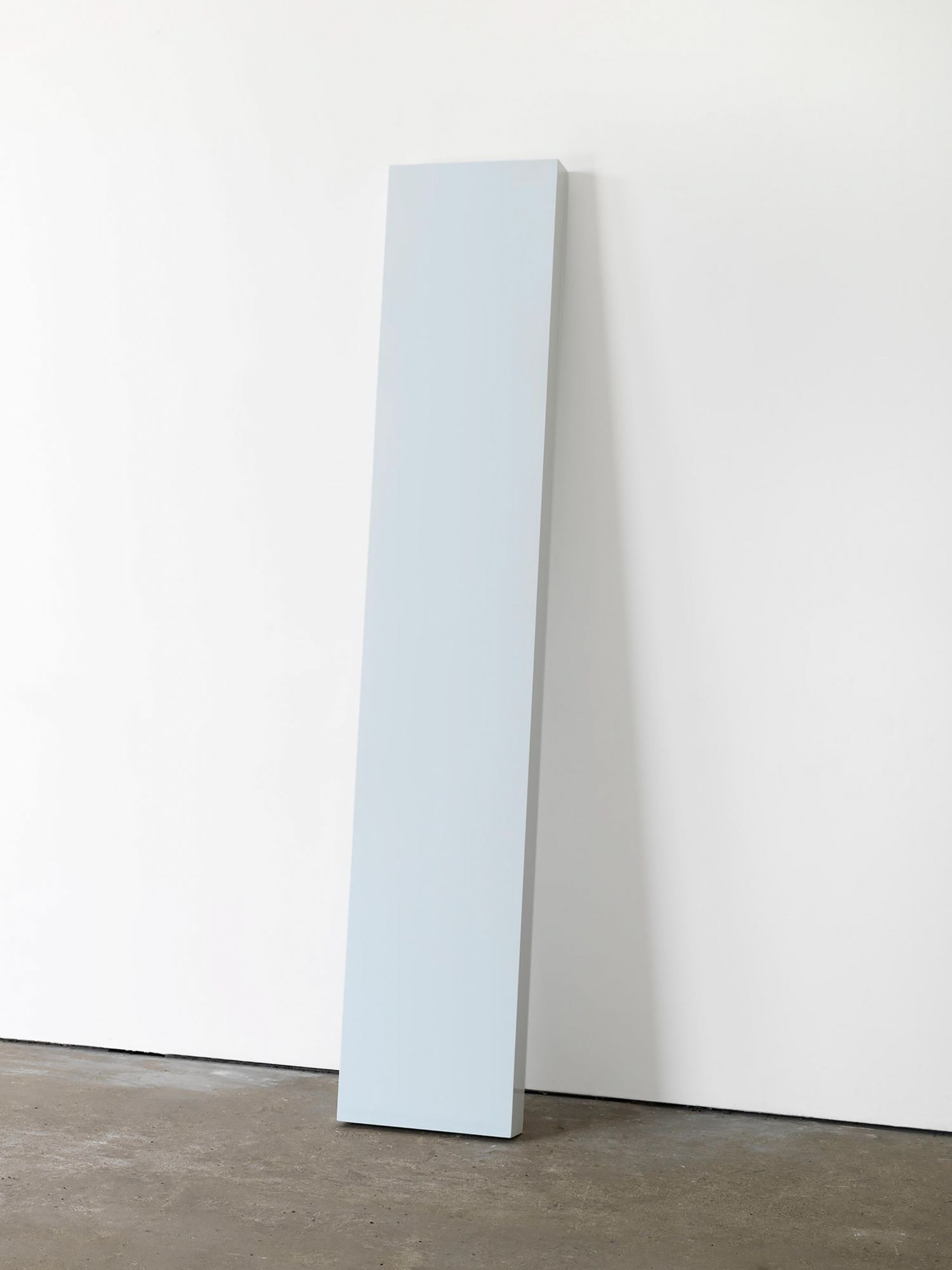


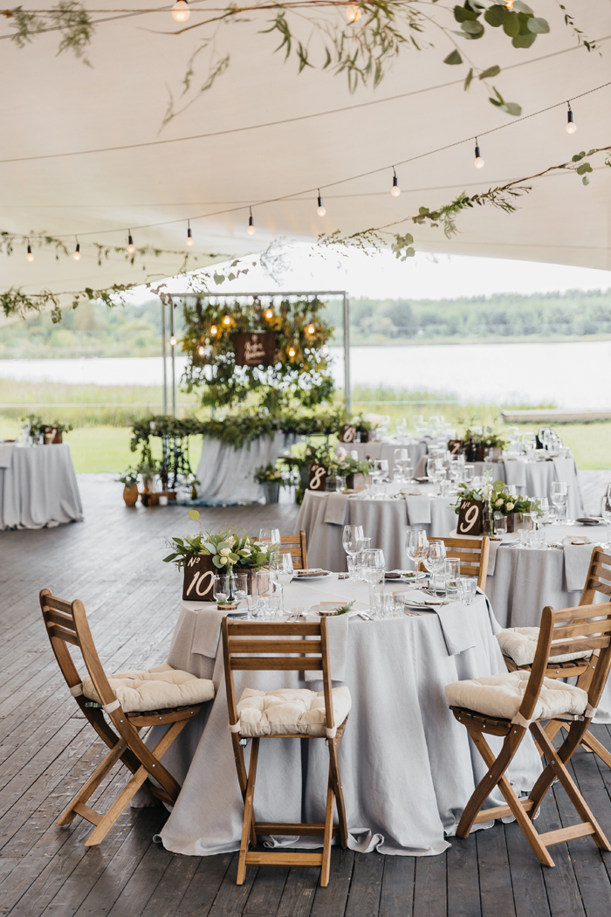
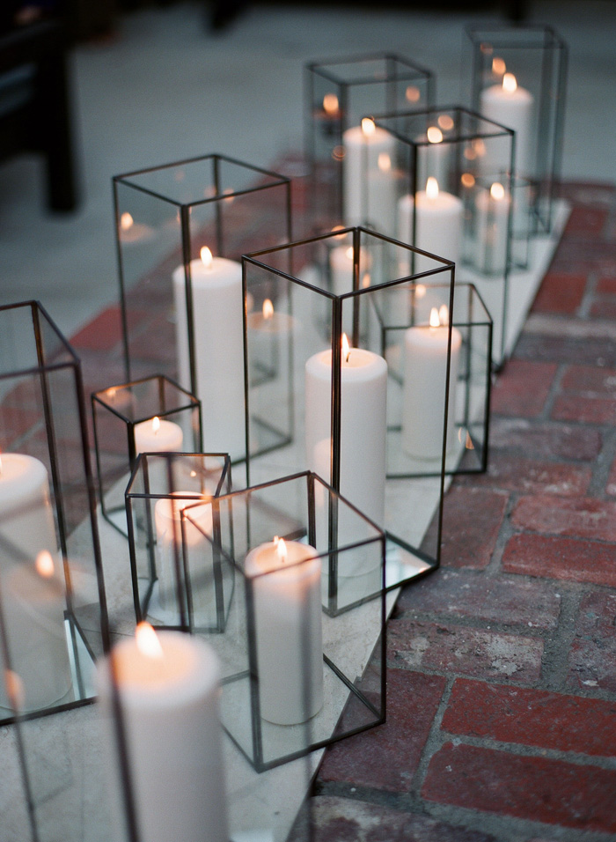


 L i n e a